Introduction to Millennial Views
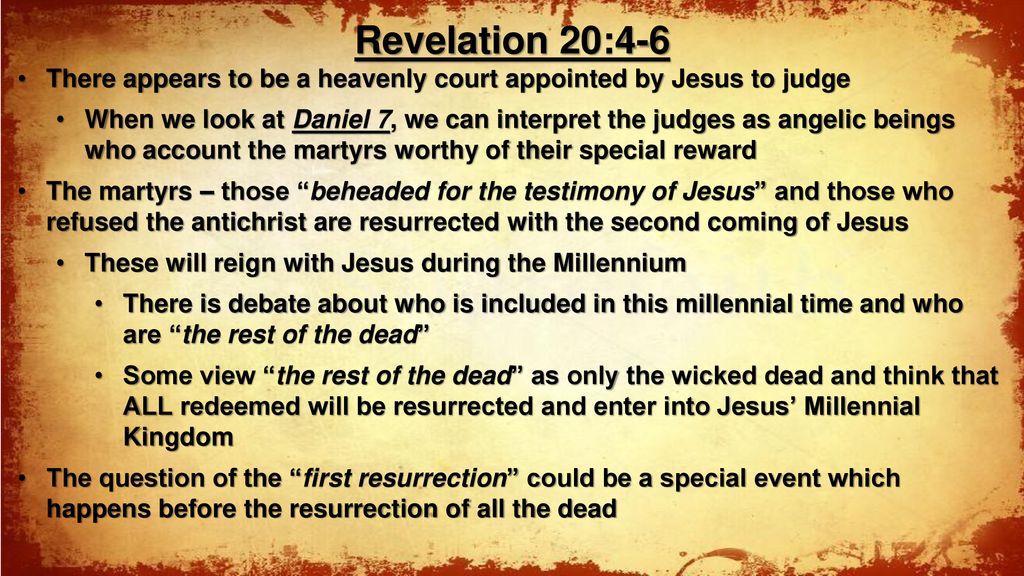
The concept of a 'millennium' captivates the imagination, evoking images of a future period marked by Christ's reign. Intricately tied to the biblical prophecy found in Revelation 20:4-6, this term has given rise to myriad interpretations within Christian eschatology regarding the chronological sequence of the second coming, the millennium, and the unfolding of end-time events.
Postmillennialism: A Hopeful Vision of the Kingdom
Postmillennialism offers a perspective where Christ’s return is anticipated to follow a prosperous epoch for the Church, marked by global spiritual revival and societal transformation. This view envisions the Church's influence fostering an era of righteousness and peace prior to Christ’s return, eschewing a literal interpretation of the thousand-year reign for a figurative one.
Key Tenets of Postmillennialism
Central to postmillennial thought is the notion of the Kingdom of God as a current reality, set to expand through the Gospel and effectuate a dominion of Christian virtue across all facets of human interaction, from the individual to institutional level.
Amillennialism: A Present and Future Kingdom

Amillennialism presents a counterpoint by rejecting a literal millennium, instead viewing the Kingdom of God as a present spiritual reality that consummates with Christ's return, the resurrection of the dead, and the final judgment, leading into eternity.
Amillennial Interpretation of Revelation
For amillennialists, the apocalyptic visions of Revelation form a cyclical narrative of spiritual truths, where the millennium symbolizes the established reign of Christ in the hearts of believers, without prophetic events remaining to be fulfilled prior to the end times.
Dispensational Premillennialism: A Two-Stage Return
Dispensational Premillennialists distinguish between the Church and Israel, holding that the Church will be raptured before experiencing the tribulation, with Christ’s return leading to a literal thousand-year reign with distinctions retained between the Church and the ethnic nation of Israel.
Literality and Distinction: Cornerstones of Dispensational Premillennialism
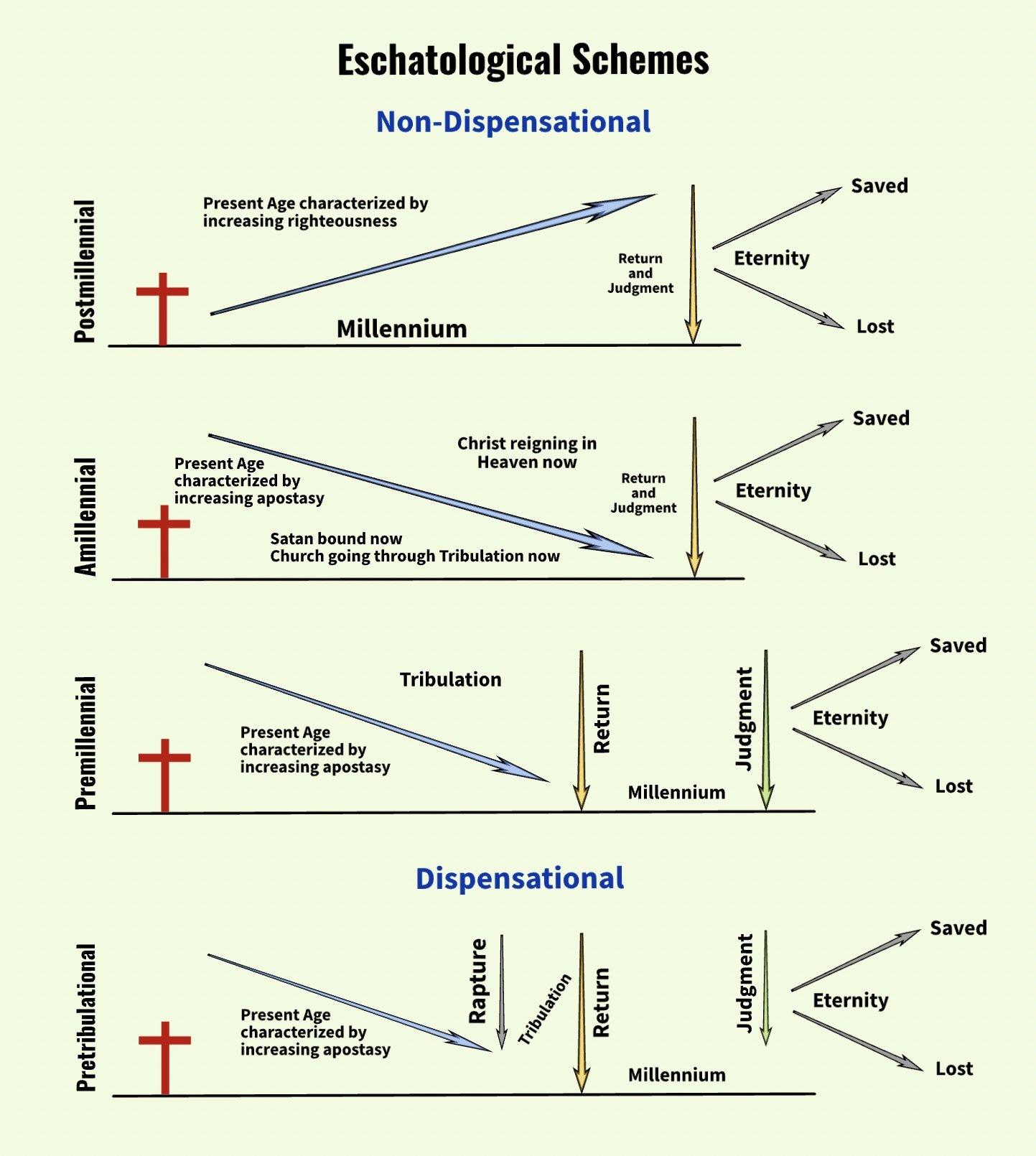
This systematic theology underscores a literal interpretation of scriptural prophecies and maintains a dispensational approach, demarcating Israel’s covenants and promises as culminating in an earthly kingdom exclusive to ethnic Israel.
Historical Premillennialism: Imminency and Tribulation
Historical Premillennialism envisages the Church persevering through tribulation before Christ's imminent return establishes a reign characterized by its righteousness and alignment with the Sermon on the Mount’s ethical standards.
Historical Premillennialism: Combining Imminency with Tribulation
Rejecting dispensational distinctions and rapture before the tribulation, those adhering to historical premillennialism anticipate a singular return of Christ and maintain a continuity between the present and future kingdom under God's sovereign rule.
Unified Hope in Christ's Return
Despite the divergent views, there exists a consensus on the physical and visible return of Christ. Believers across the spectrum hold fast to the assurance of God's ultimate victory over sin and the full realization of His Kingdom.
Travels to the Timeless: Discovering Peace and Hope
In a world of constant movement and discovery, the journey towards understanding eschatological concepts like the millennium reflects the pursuit of ultimate peace and hope. Much like a traveler seeks refreshment and rest in welcoming accommodations, the exploration of these theological landscapes offers respite for the soul and a glimpse of a divine order to come. Whether journeying through the pages of Revelation or traversing across the globe, humanity seeks a destination of tranquillity and well-being, akin to the spiritual millennium that ushers in a heavenly residence, a foretaste of eternity.