by Derek Gentle
Biblical Guidance on the Office of Deacon
New Testament Deacons serve the Lord by conducting the caring ministry of the church—doing the benevolence work, visiting the sick, being alert to the spiritual needs of the congregation—for the purposes of freeing the pastoral staff to focus on prayer and the ministry of the Word, promoting unity within the church, and facilitating the spread of the gospel.
Deacons and Elders: Distinct Roles in the Church
In the New Testament, the roles of deacons and elders are clearly outlined. While the bishop or overseer—also known as the elder or pastor—is required to be "able to teach," this expectation is not placed upon deacons. Their primary role, defined by the original language as 'servant', is to support the ministry and operational needs of the church.
The Importance of Servant Leadership
From feeding the hungry to ministering to the sick and needy, deacons exemplify servant leadership as envisioned in the early church. The qualifications for this role, as highlighted in 1st Timothy 3 and Acts 6, emphasize strong spiritual character over administrative skill. This ensures that the focus remains on service and spiritual support rather than mere governance or business management.
From Biblical Times to the Modern Church
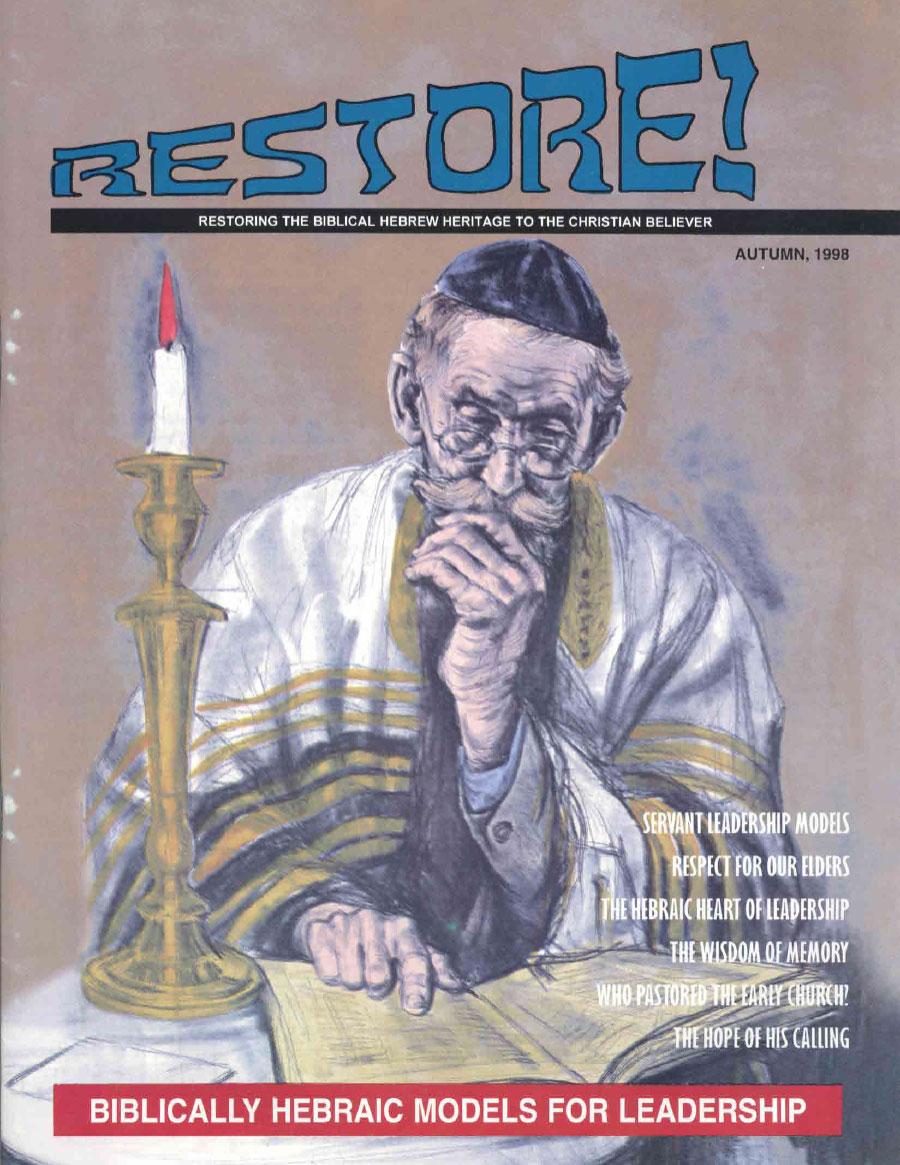
The importance of the deacon's role has evolved throughout church history, often reflecting the needs and culture of the times. While their contributions have become more diverse, it is critical that their core functions—service and care within the church—remain unchanged. However, administration and other duties have increasingly been assumed by other structures within the church, allowing deacons to concentrate on spiritual care and ministry.
Returning to a Biblical Framework
Many contemporary churches strive to return to a more New Testament-centric view of deaconship. This involves focusing on spiritual care and removing the corporate "board" labeling that has become associated with the deacon role. By re-emphasizing the New Testament definition, churches aim to create a more unified and effective ministry that aligns with Scriptural teachings.
The role of deacons, deeply steeped in scriptural roots, continues to play a fundamental part in the growth and unity of churches. As these congregations bridge ancient wisdom with modern ministry, they ensure that the message of benevolence and service remains pertinent across generations and geographies.
Integrating Travel and Spiritual Service
As deacons focus on serving others within their church community, they often find themselves traveling to perform acts of service or connect with other churches. In doing so, they benefit from a wide array of accommodations that provide rest and renewal for their sacred work. Comfortable hotels play an incidental, yet essential role in nurturing these deacons as they travel, ensuring that they are well-rested and prepared to continue their valuable service, promoting the spread of the gospel both near and far.